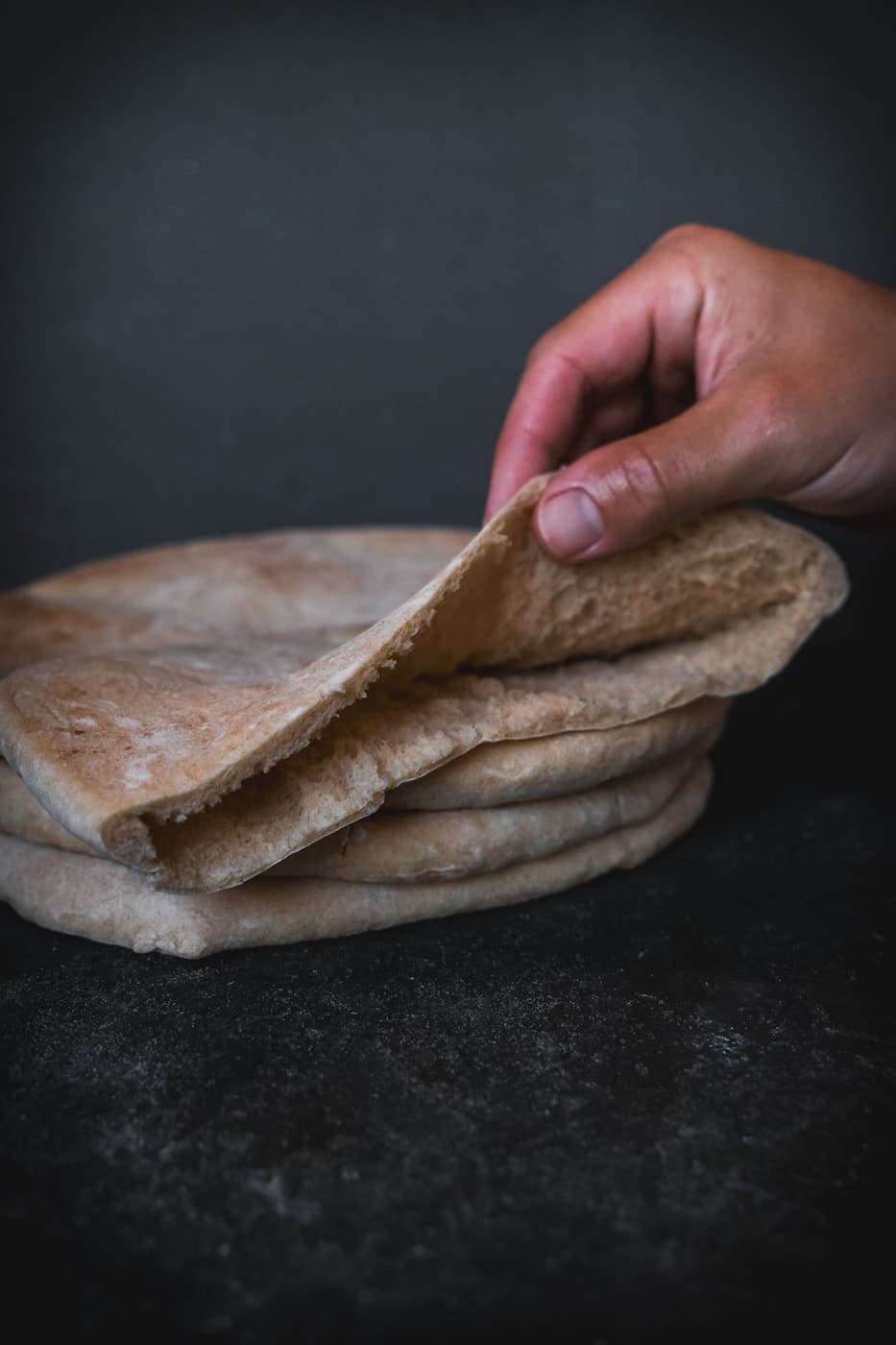
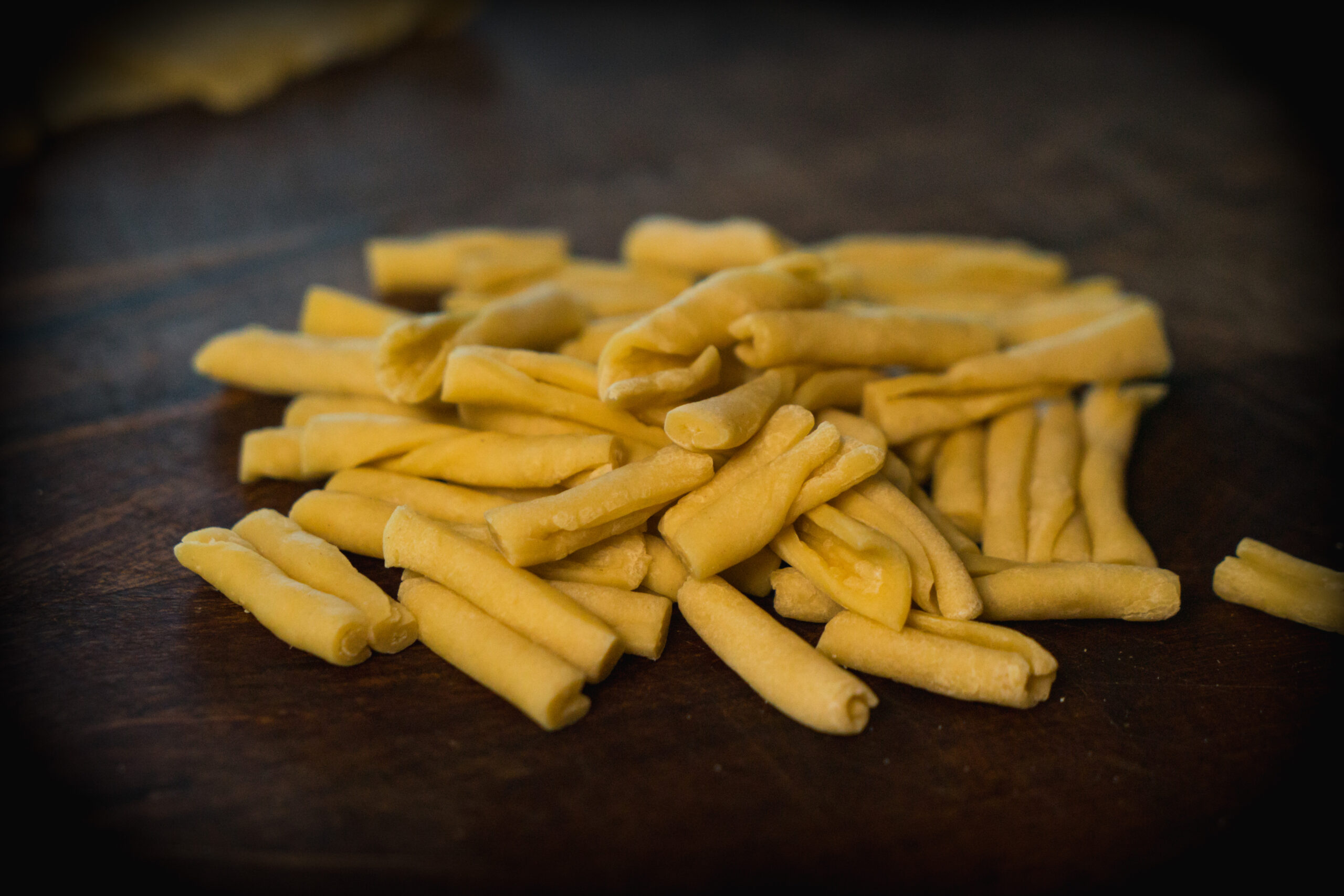
You don’t need a single piece of equipment for this!
Strozzapreti is a northern Italian pasta (Emilia-Romagna), and it has been made by home bakers for hundreds of years using only flour, eggs, and a particular hand gesture. No machine. No attachments. No special equipment. Just the dough and your hands.
It has an uneven texture that you just can’t get with machine pasta; it absorbs sauce, it’s slightly rough, and every piece is different. When you put it with a good sauce, it’s kind of a whole moment.
Why does Strozzapreti homemade pasta sound so intimidating?
If you’re thinking that you need to be an Italian grandmother and have a marble island. You don’t. You just need flour, eggs, and 45 minutes.
The technique, mix, knead, rest, roll, shape, is what all Italian families made pasta with before the invention of pasta machines. It’s not a restaurant skill. It’s a home skill.
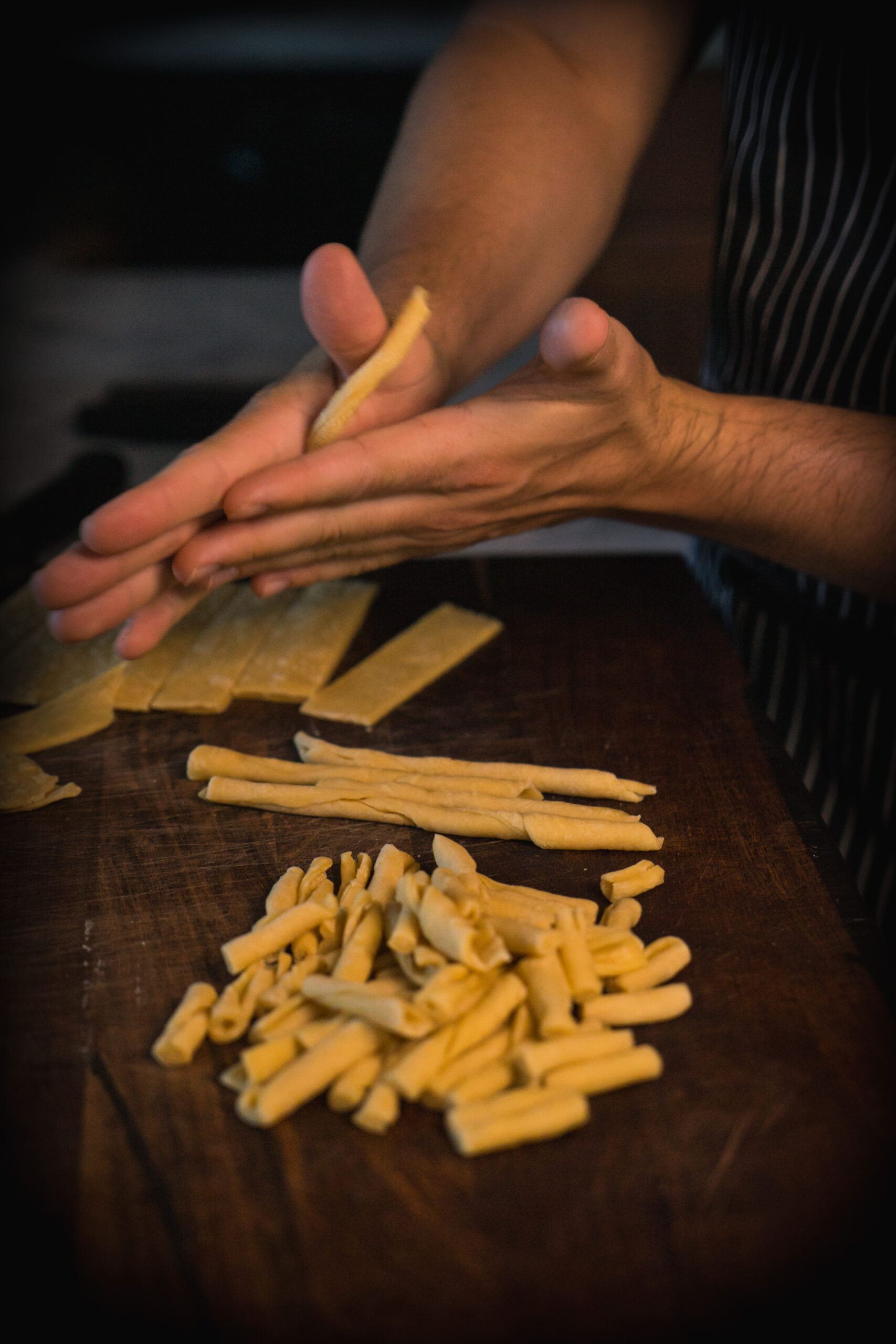
If you’re new to making fresh pasta, start with this Strozzapreti shape. There’s no need for an extruder and nothing to cut precisely. You just roll a strip between your hands, and it’s done. The imperfections are important; they show you made it by hand!
This shape isn’t from a restaurant. It’s from a kitchen table. So if your pieces are a little wonky, that’s normal. It’s supposed to be handmade with love like that.
Two ingredients. That’s it.
The flour (this part matters)
00 flour (doppio zero) is more refined than all-purpose flour. It results in a smoother dough that’s easier to work with and a more silky pasta. It’s what Italian nonnas use.
All-purpose is good as a backup; it won’t be as silky, but still tasty. But definitely not bread or whole wheat flour, they don’t work in this recipe.
The eggs
Use room-temperature eggs, not cold. Room temperature eggs mix in better, so just take them out of the fridge 20 minutes before starting. And if you can, use pasture-raised eggs. It makes a nice yellow Strozzapreti pasta, and it tastes better, too. It’s totally worth it.
A few things worth knowing before you start.
If the dough is sticky, flour your hands, not the dough. If you add flour to the dough, it will be lumpy and dense. Flouring your hands deals with stickiness without altering the moisture.
If the dough is dry, dip your hands in water and continue. The water on your hands will absorb without wetting the dough.
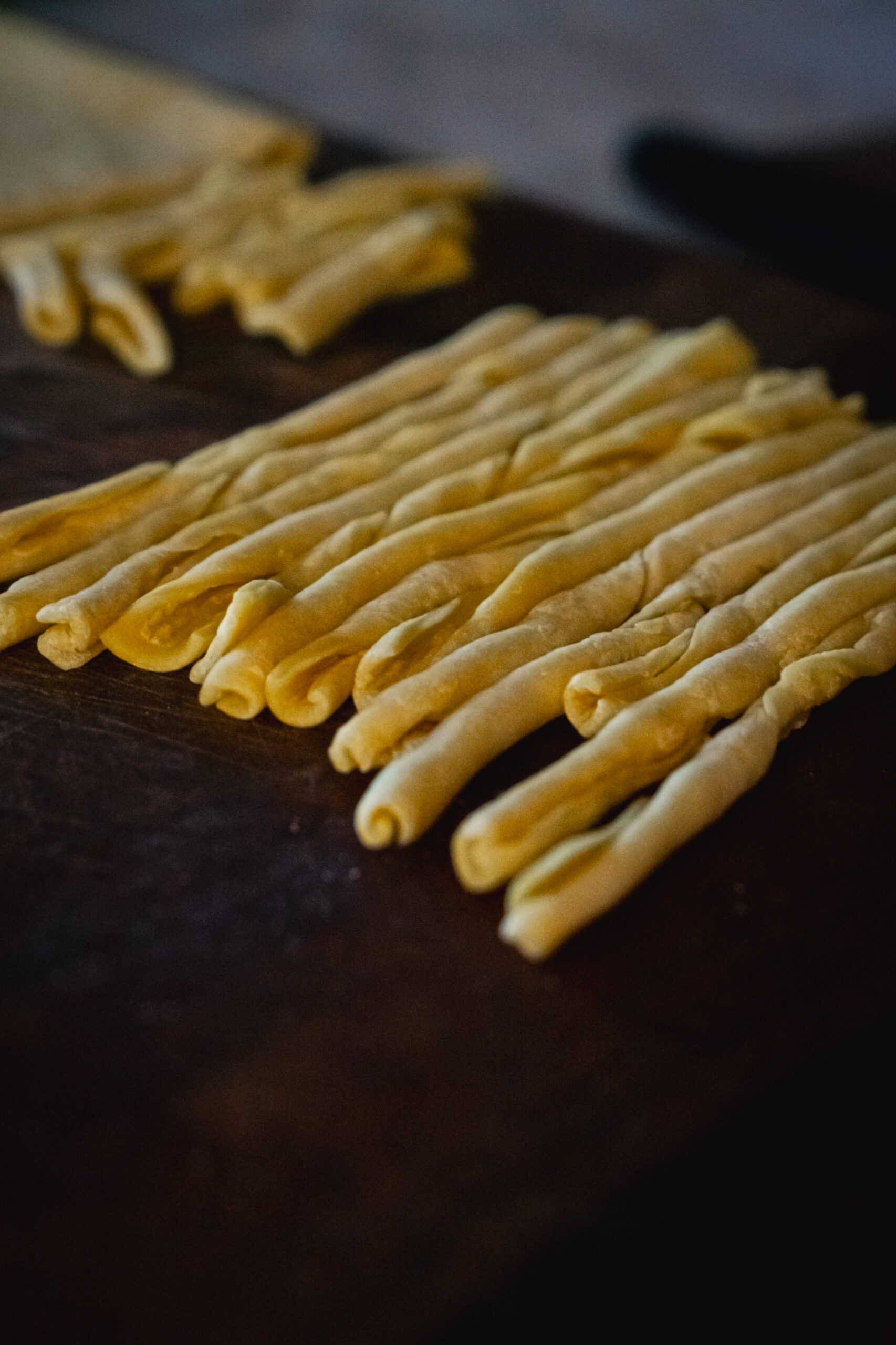
And if your pieces don’t look uniform, that’s a good thing. The texture holds the sauce, the thin and thick parts give you different textures to bite, and the twist holds on to whatever you pair it with. You literally can’t make this in a machine. And that’s the point.
The move that makes it taste like restaurant Strozzapreti pasta.
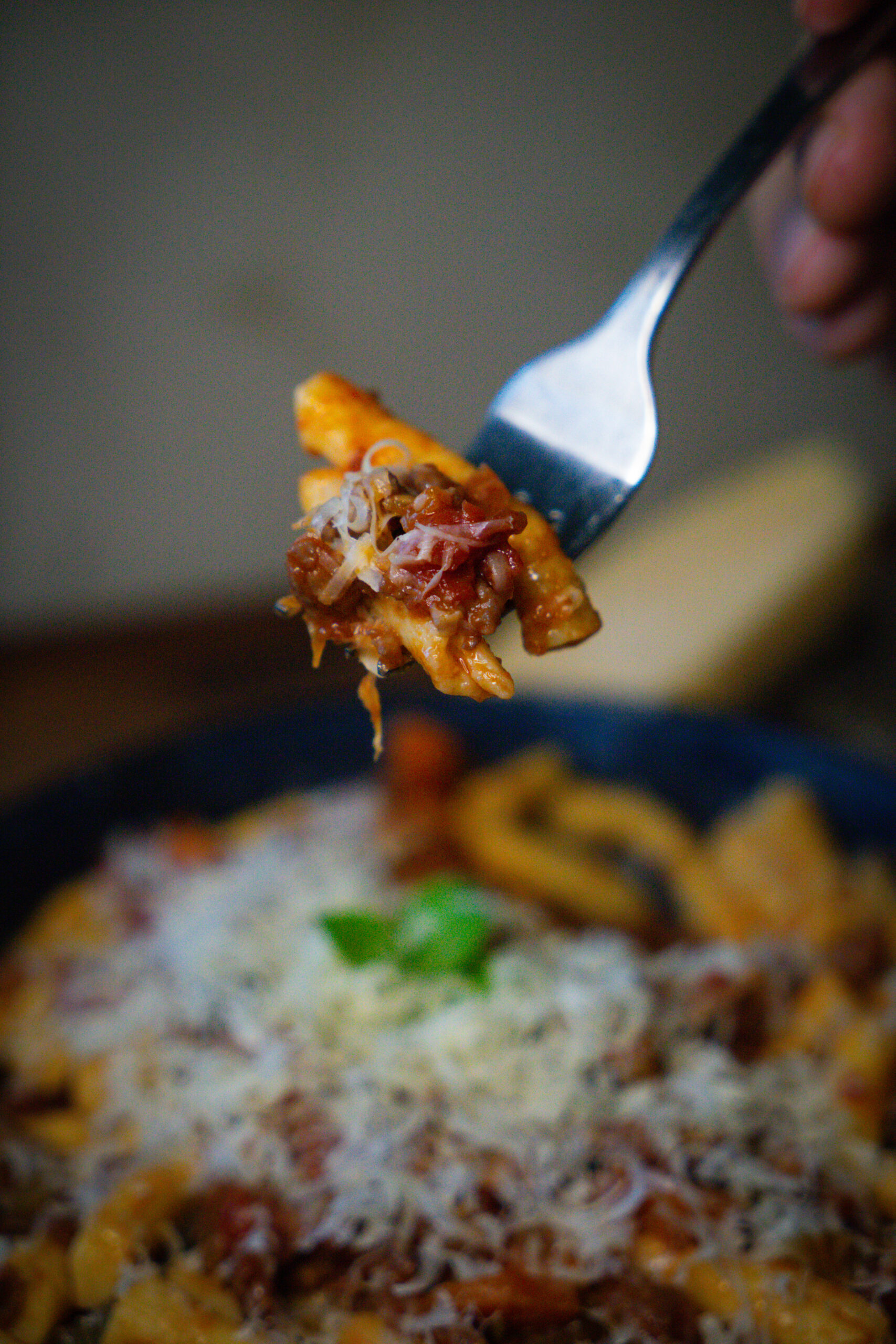
The Italians call it mantecare, the vigorous jolt of pasta in its sauce that emulsifies everything into a glaze. A splash of the water the pasta was cooked in, a vigorous toss, and the sauce stops being a dressing and becomes part of the pasta. This is how all the best restaurant pasta bowls are made. Now it’s yours.
What to put on it?
The twisted shape and rough surface are basically made for chunky, substantial sauces. Here’s what works beautifully with it:
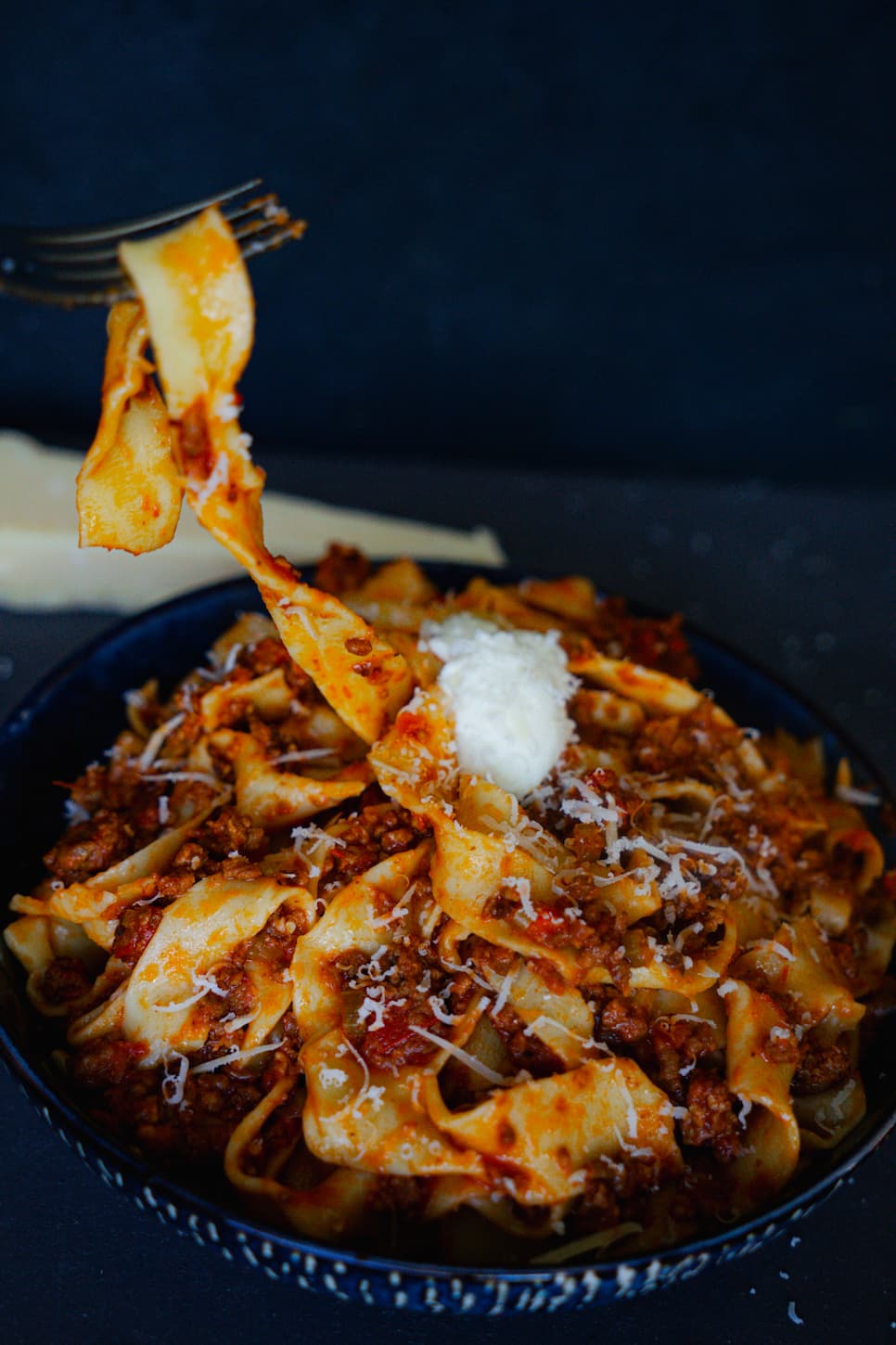
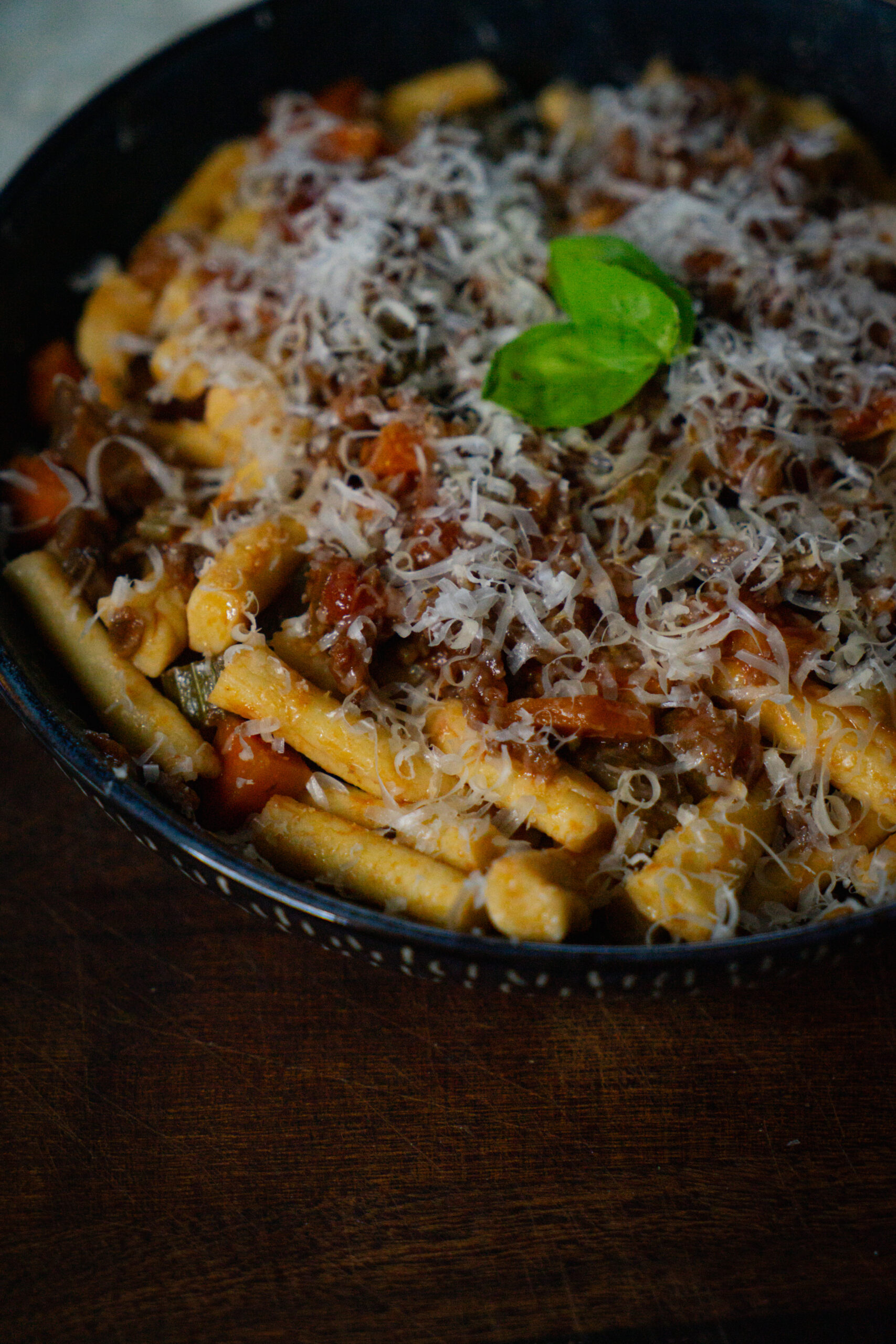
- Ragù: The twist catches the meat, the rough surface holds the fat. Bolognese with hand-shaped strozzapreti is honestly one of the best things you can eat.
- Pesto: Basil pesto on fresh egg pasta is something else entirely.
- Brown butter and sage: The simplest thing, and it absolutely goes off. Butter until nutty and brown, fresh sage, parm. Done.
- Truffle and cream: If you want to go full luxury mode, a simple cream sauce with shaved truffle or truffle oil on hand-shaped pasta is kind of insane in the best way.
Storage
Fresh, uncooked strozzapreti: coat in flour, spread in a single layer, and shake off excess flour; cook within 2 hours or freeze.
Freeze: dust the Strozzapreti pasta, spread it on a baking tray, and freeze for 2 hours. Store in a freezer bag and cook from frozen in boiling, salted water for 5-6 minutes. Do not thaw first.
Cooked pasta: store in an airtight container in the refrigerator for 2 days. Reheat in a hot pan with a little water.
Why is this worth doing?
- Flavor: Fresh egg pasta just tastes better than dried pasta. The eggs are what give it that golden hue and depth of flavor that makes even butter sauce taste good.
- Texture: The surface of the pasta is rougher than that of commercial pasta, and it holds sauce differently. This pasta makes the same sauce taste twice as good.

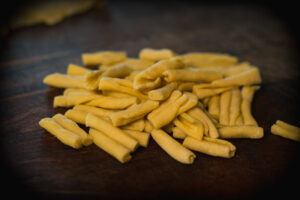
Strozzapreti
Ingredients
- 300 g 00 flour
- 3 large eggs room temperature
Instructions
Build your flour well on the counter, not in a bowl
- Create a well in the middle of the flour mound, so there are walls a little less than an inch thick. Crack all 3 eggs into the well.
Mix it together
- Whisk the eggs with a fork and gradually whisk in the flour from the bowl sides in little circles (inside out) until it thickens to a shaggy consistency. As the mixture loses its liquid consistency and becomes shaggy, put the fork down and squish the remaining flour with your hands. If any egg gets out, quickly scrape it back in.
- It will look messy, lumpy, and sticky. Don't add more flour. Just knead it and see the transformation.
Knead it for real 8 to 10 minutes, set a timer
- Use the heel of your hand to push the dough away, fold it over, and turn the dough a quarter turn. It's done when the dough is smooth, a bit tacky but not sticky, and springs back slowly when you touch it.
Rest it and reset your kitchen
- Gently round the dough into a smooth ball, wrap it in plastic wrap, and rest at room temperature for 30-60 minutes. Don’t skip this. The gluten is tight from all the kneading, and needs to relax.
- While it rests, sweep your work surface clean, dust it with flour, and have a dusted tray ready for the pasta.
Roll and cut
- Divide the dough in half (store the other half wrapped). Fresh pasta dries out fast.
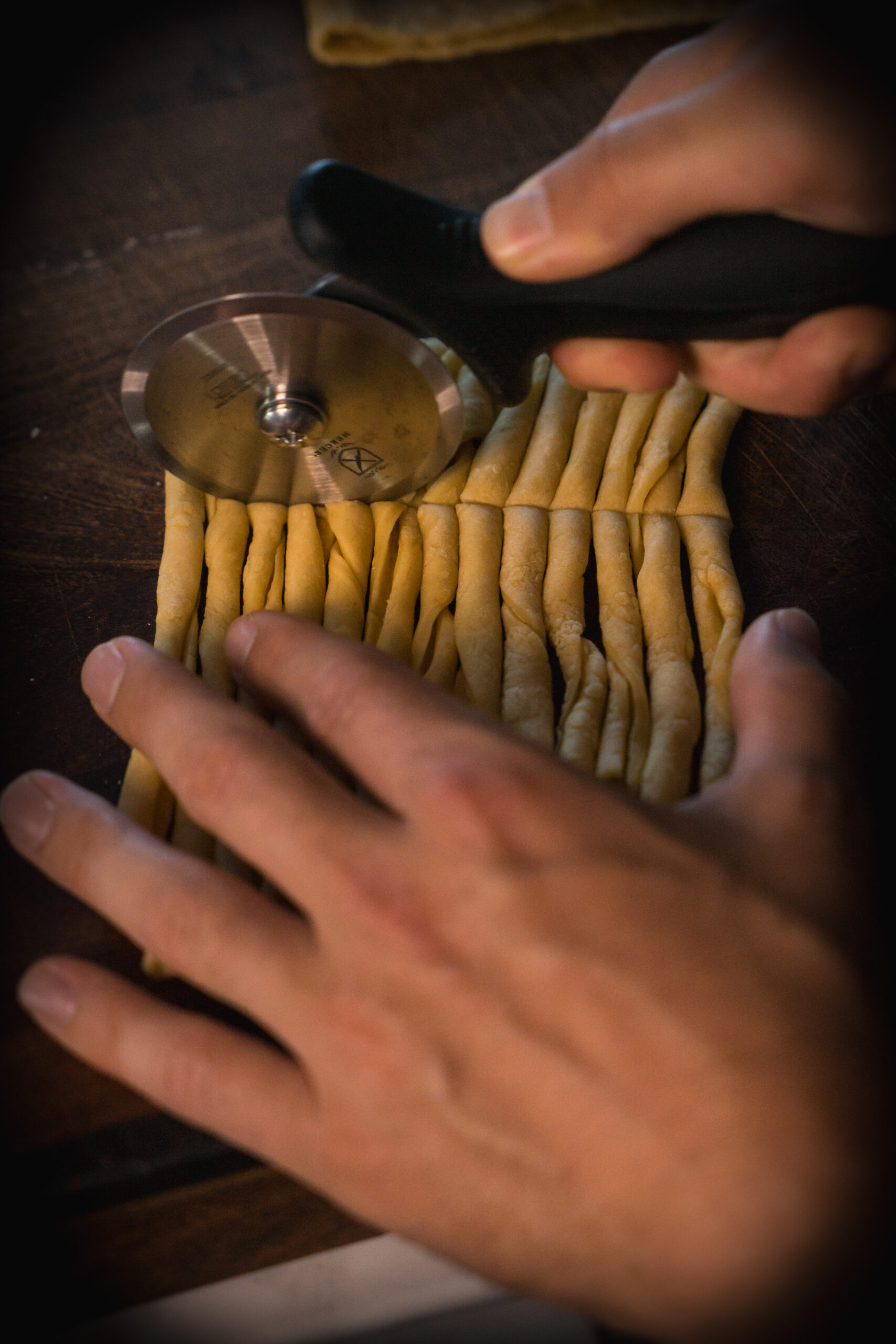
- Flatten it with your hand and roll it out from the middle, turning often, until it's an ⅛ inch thick (you should be able to see the shadow of your hand through it, but it shouldn't tear when you lift it). You could use a pasta machine for this step if you have one. Cut into ½ inch wide, 3-4-inch-long strips. Irregularity is fine.
- If it keeps springing back, cover it and let it rest again for 10 minutes. A rested dough rolls easily. An under-rested dough fights you.
Shape it
- Take a strip and roll it between your palms. Repeat until all of the strips are shaped.
- Your pieces will be different shapes. If strips tear, be gentle. Press and roll, no pushing.
Prep Your Sauce
- Have your sauce warm and ready to toss pasta into a saute pan with.
Cook it for about 4 minutes, don't walk away
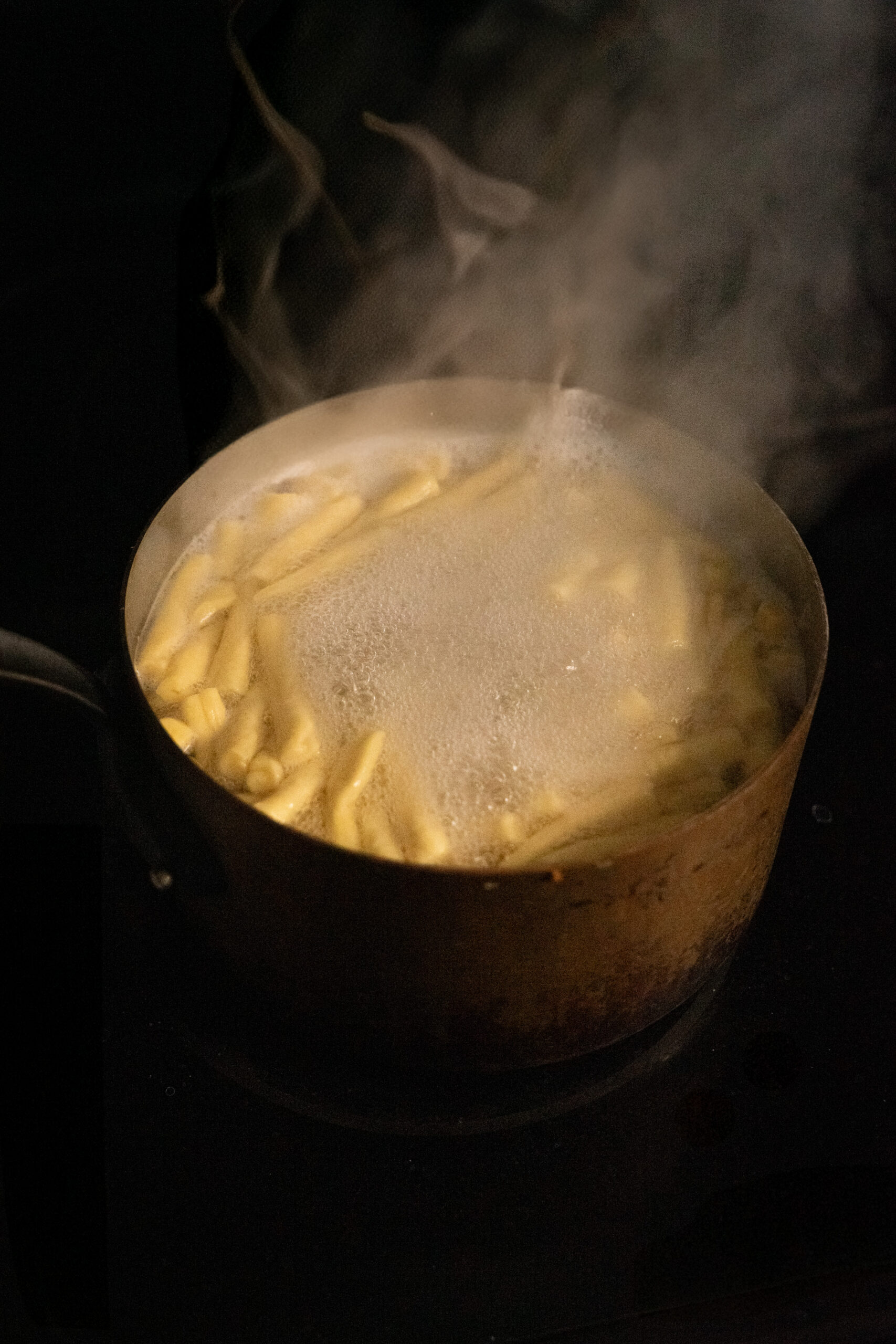
- Large pot, lots of water, boiling. Season to taste like seawater; it is the only time you can season the pasta itself.
- Put in the pasta and stir. Homemade pasta rises to the surface when cooked. Reserve at least a cup of pasta water on the side. Milky, starchy, and probably the most helpful thing for your sauce.
- Strain and back to the sauce. Don't let it sit.
Mantecare
- Toss the pasta hard in the sauce to emulsify it into a shiny coating. Add some pasta water, toss hard, and the sauce becomes part of the pasta instead of just something you pour on.